Find the blind spots.
Review entrances, perimeter areas, internal routes and existing image quality.

A security plan for a live self-storage site: improve camera coverage, flag activity worth reviewing and alert the right person.
A busy site creates hours of footage. The job is to cover the gaps, make relevant events easier to find and give staff a clear next step.
Review entrances, perimeter areas, internal routes and existing image quality.
Flag people, vehicles or movement that needs attention and reduce manual searching.
Send the event with enough context for staff or monitoring teams to act.
Plan the coverage. Detect the events that matter. Alert the right person. Add a deterrent response when the site needs it.
This page describes the project plan and design. It does not publish operationally sensitive details or claim that every proposed feature has been commissioned.
The public plan shows what each area needs to detect without publishing exact camera positions or security weaknesses.
Each zone gets the simplest detection that does the job. The exact mix depends on the site, privacy requirements and operating plan.
These are examples of what a compatible, correctly configured platform can do. The operator still reviews the result before acting.
Select a person in one clip and find matching sightings across connected cameras. Where alarm or access events are integrated, place them on the same timeline.
Describe what you need in plain English. Review the likely matches, open the timeline and export the verified footage.
Find a known plate, review entry and exit footage, and see each captured visit without scrubbing through days of video.
Illustrative workflow only. Features depend on platform, licensing and integration. Facial recognition or identity matching should only be used where lawful, necessary, authorised and privacy assessed.


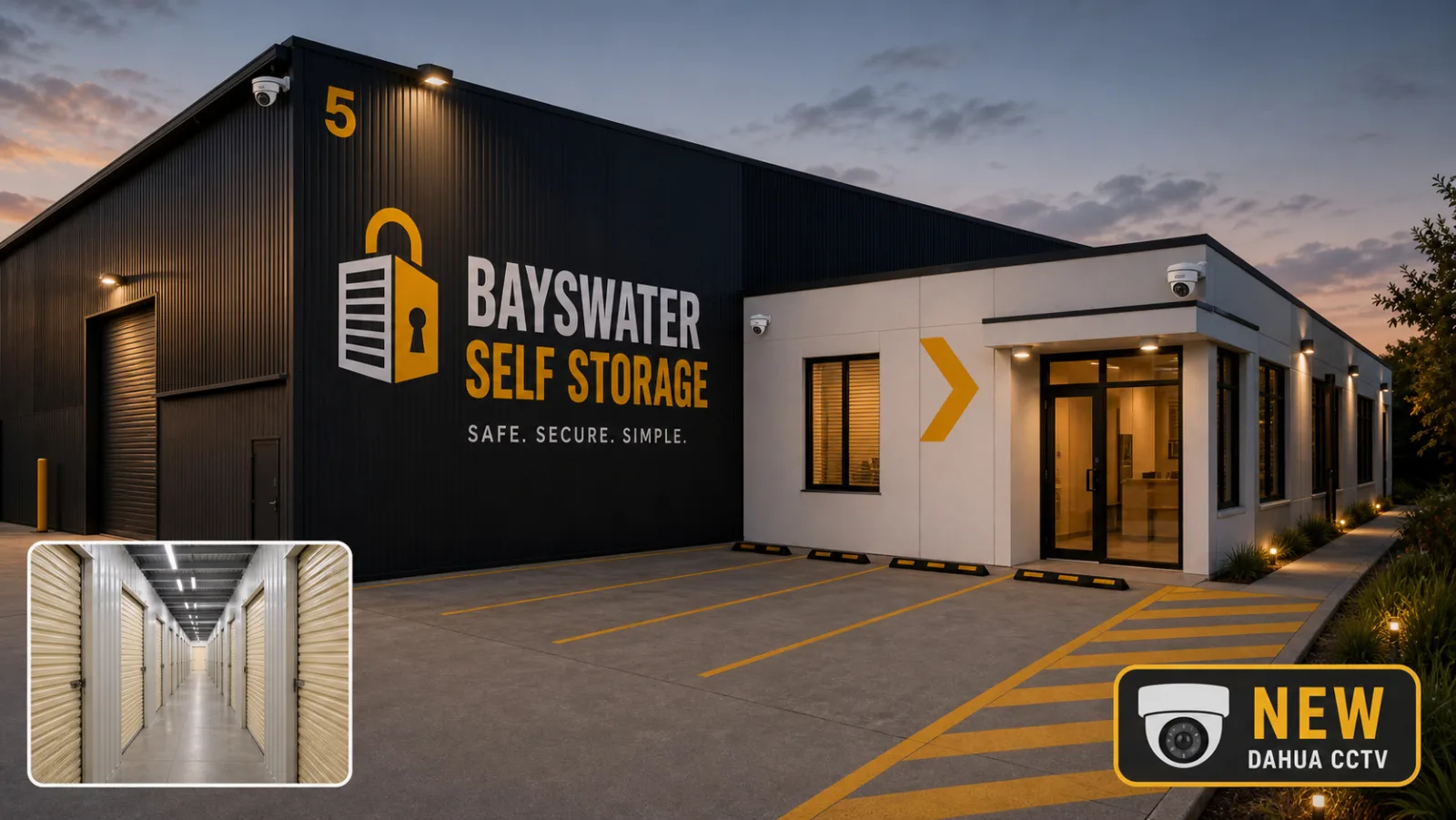
These images communicate the design intent. They are not presented as completed-installation photography.
Tell us what the property needs to achieve and see an indicative range before arranging a detailed review.